The Flaw of the "Simultaneous Big Bang" Strategy
Retail leadership teams naturally gravitate toward simultaneous national launches. The impulse to open twenty locations on the same Thursday morning is understandable from a marketing and public relations standpoint. However, from an installation and logistical standpoint, simultaneous scheduling multiplies operational vulnerability exponentially.
If five production defects occur in a custom joinery batch manufactured in northern Italy, a simultaneous launch encounters those identical five defects on twenty sites at the exact same hour, paralyzing regional operations. In contrast, we advocate a staggered wave rollout model.
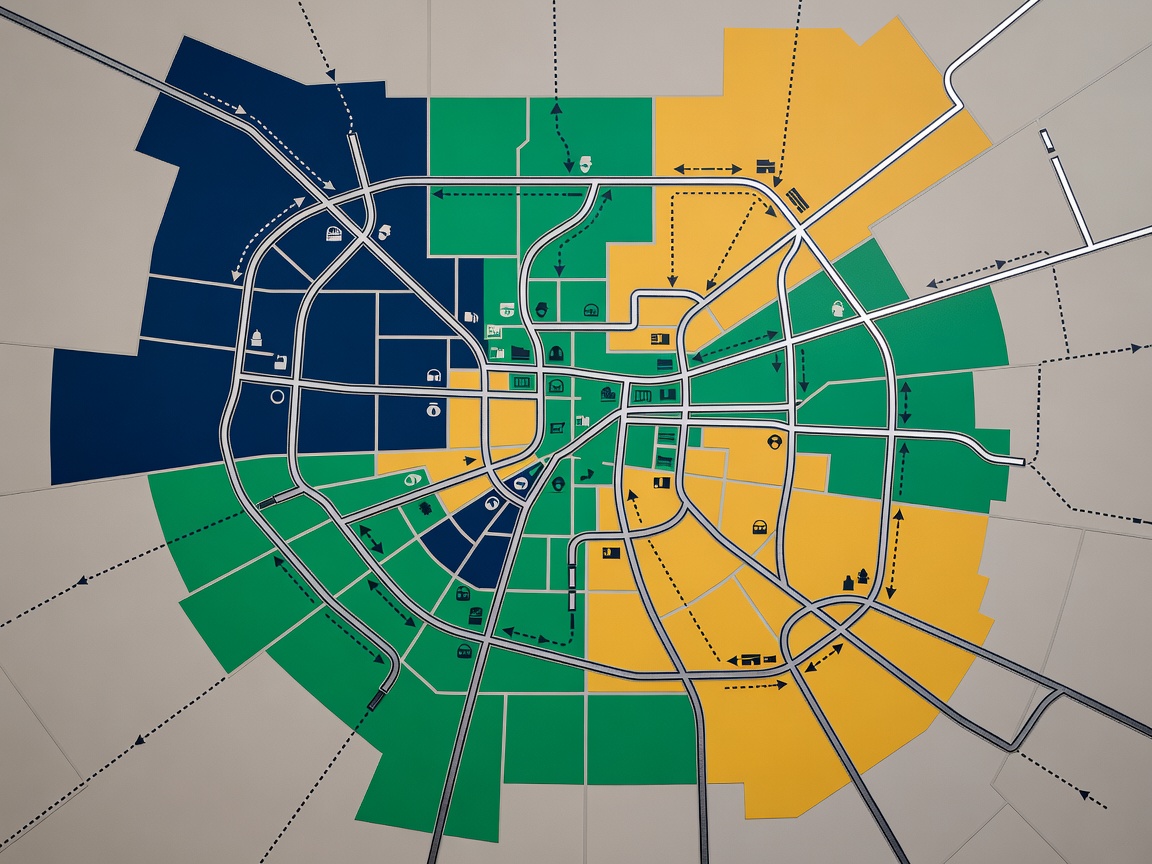
By launching a designated "Alpha Pathfinder" store followed four business days later by Wave 1 (3 to 5 stores), our lead site managers unearth any production tolerances, cabling oversights, or packing code ambiguities. We refine the physical build playbook immediately, issuing revised assembly bulletins to subsequent regional teams before crates are dispatched from staging depots.
Wave Scheduling Architecture
- Pilot / Pathfinder Site: Complete full-dress installation 10 days ahead of main wave. Time-motion analysis recorded on all assembly steps.
- Wave 01 (Capital Flagships): Primary urban hubs with maximum architectural complexity; staffed by our senior field leads.
- Wave 02 (Secondary Metros): Parallel installation crews operating in adjacent geographic clusters (e.g., Rhine-Ruhr, Benelux, Greater London).
- Wave 03 (Regional Centres): High-velocity standardized fits where daily build routines follow the perfected Pathfinder template.
Regional Staging Depots vs. Direct-to-Store Deliveries
A persistent point of friction in pan-European retail rollouts is freight management. High-street retail locations in historic centers like Amsterdam, Florence, or Edinburgh rarely have dedicated loading docks or storage space. Direct deliveries from international factories directly onto the trading floor often lead to severe civic fines or congestion.
We solve this by deploying regional buffer staging hubs situated along core European highway freight arteries. Instead of forty individual direct trailers navigating city access permits, all factory freight is consolidated at a regional cross-dock warehouse. Here, crates are inspected for transit damage, re-palletized by department zone, and transferred to tail-lift rigid lorries scheduled for exact night delivery slots.
| Logistics Vector | Direct-to-Store Delivery | Regional Staging Buffer Hub |
|---|---|---|
| City Access Flexibility | Extremely rigid; risk of missed time slots | High; short-haul shuttles timed to exact site windows |
| Damage Mitigation | Discovered only when opened in front of client | Identified at depot; replacement components dispatched early |
| Sales Floor Congestion | Entire store package dumped onto floor at once | Sequenced drops matching daily installation stages |
| Cost Structure | Lower transport line-haul costs | Modest depot handling fee offset by zero site downtime |
Digital Daily Site Journals and Snag Transparency
When coordinating simultaneous teams in Berlin, Madrid, and Birmingham, retail project directors cannot be physically present at each site every evening. We eliminate the information void through unified digital reporting.
At 18:00 each operational day, every site supervisor uploads a standardized photographic journal documenting perimeter meters completed, gondolas leveled, electrical connections certified, and any trade dependencies pending. This transparent progress tracking allows brand managers to see progress objectively, preventing nasty surprises 24 hours before planned customer opening ceremonies.
Coordinating an upcoming store rollout across multiple territories?
Let us evaluate your store opening wave schedule and establish reliable field logistics.
Plan Your Rollout